

Failures of Imagination: Learn to Think Creatively to Predict Future Priorities, Risks, and Opportunities
Overcome the “I never thought it would happen here” bias with this series of forward-thinking Game Changer Sessions at GSX 2026, designed to help you reduce blind spots and enable operations amid unstable conditions. Here, attendees will explore how to prioritize risks, apply creative problem-solving to generate organizational value, and leave with practical skills about navigating uncertainty.
Monday, 14 September | 11:15 am – 12:15 pm
The Next Generation of Leadership: What Tomorrow’s Security Leaders Need to Know
Corporate security teams need accurate data to benchmark their work, understand the latest trends, and make smart decisions about resources, personnel, and technology. Glean insights from the annual CSO Survey from The Clarity Factory in this session and hear from CSOs and other senior security leaders about how those findings impact programs, organizational culture, and the future of security professionals.
By the end of the session, you will be able to:
- Apply data insights from the latest corporate security trends and patterns
- Adopt best practices to inform corporate security planning within your organization
- Interpret data and trends to derive practical takeaways
Sponsored by: 
Speakers:
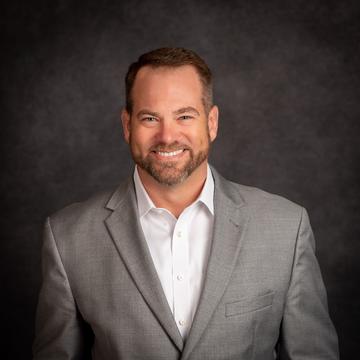
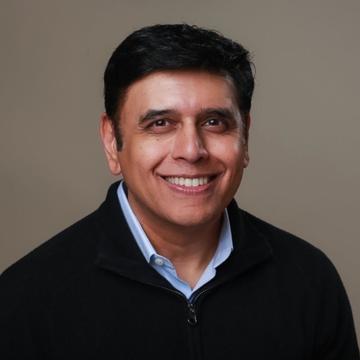
Jeremy Baumann, CPP | Chief Executive Officer | Corporate Security Advisors (CSA)
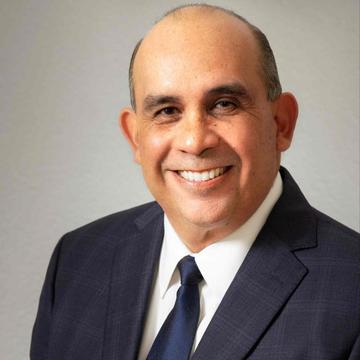
Joe M. Olivarez, Jr.
Executive Vice President, Health, Safety, Security & Quality and Chief Security Officer
Jacobs
Joe M. Olivarez, Jr.
Executive Vice President, Health, Safety, Security & Quality and Chief Security Officer
Jacobs
Moderator:

Tuesday, 15 September | 11:15 am – 12:15 pm
What to Watch: Mapping Risk Priorities Using ESRM
Security and intelligence teams currently face a dizzying pace of risks. Only one in five senior risk decision makers surveyed by International SOS in 2025 said they are able to verify risk information at speed, making them less likely to keep up in the current business climate. Attendees will learn how to build an effective risk registry, map your organization’s key priorities, gather appropriate intelligence, and communicate about essential versus tangential risks to risk owners.
By the end of the session, you will be able to:
- Build an effective risk registry that captures and organizes an organization’s key risks
- Differentiate essential and tangential risks clearly to risk owners and decision makers
- Leverage intelligence to guide effective decision-making on key priorities
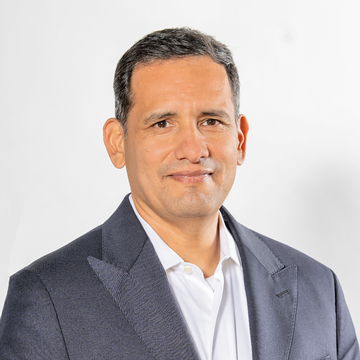
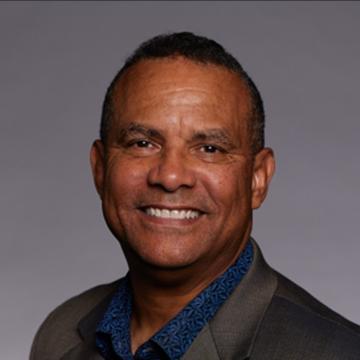
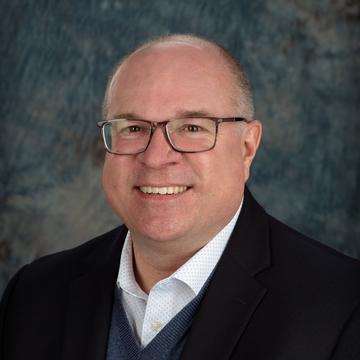
Speakers:
Moderator:

Wednesday, 16 September | 9:45 am – 10:45 am
On a Knife’s Edge: How Today’s Targeted Violence Changes Threat Assessments
Threats of political, ideological, and targeted violence continue to proliferate, heightened by anti-technology blowback, geopolitical tensions, societal stressors, and more. In this discussion, learn what is driving current incidents and trends in targeted violence, how to navigate perceptions of risk versus reality, and what security leaders can do to adjust their organization’s risk posture in response.
By the end of the session, you will be able to:
- Apply current threat trends and data to organizational threat assessments
- Develop actionable strategies to adjust organizational risk posture and security protocols
- Distinguish perceived risk from actual risk when communicating threat priorities to leadership and stakeholders
Speakers:

Dr. Karie A. Gibson
Former Unit Chief
FBI/CIRG/Behavioral Analysis Unit-1/Behavioral Threat Assessment Center